

Phonics is all about learning to read in a way that's fast, accessible, and easy to understand.
Perhaps unfamiliar with it from when they learned to read, many parents are turning to all manner of phonics reading programmes and phonics activities to help teach their child to read.
It has also spawned a whole world of interactive online phonics games, as well as offline phonics games that you will have been playing perhaps without even realising it.
When you learn through play you have fun, build bonds, and boost confidence. Ideal when you want to help every little reader fall in love with the written word and make picking up a book the habit of a lifetime.
Let's look at some of the best phonics games for early readers!
Table Of Contents
Every product on DaddiLife is independently selected by our editors, writers, and experts. When you buy through links on our site, we may earn an affiliate commission, but this never influences our product choices.
Our top three phonics games
What is phonics?
Phonics is great for all the basics like short vowel sounds, letter recognition, and spotting word patterns. It's also designed to be a fun way to tackle some of the more tricky parts of learning to read like pronouncing the middle sound and using the right lowercase letter.
What are phonics games?
Phonics games and phonics activities are all about increasing phonemic awareness in a way that makes doing tricky things like mastering word families fun.
How does phonics work?
When a young reader hears a new word, they can instantly boost their reading comprehension by seeing how it is spelt. The act of seeing the letters and how they relate to the sounds, as well as understanding the meaning of the word itself, really does help tie everything together.
Teachers regularly use phonics games in the classroom and have seen significant improvements when testing students from all grade levels for things like spelling patterns and pronouncing long vowels.
What form does phonics take?
Board games, simply sticky notes on lists, consonant digraphs, and even classic flash cards are just a few of the tools at your disposal.
What we aim to do is connect you with more phonics activities for your child's grade level, all so you can find games that make a real difference.
Meet our top 5 physical phonics games for kids!
Our physical phonics games suggestions are perfect when you want to find a way to boost engagement and attainment at the same time. Enjoy!

Editor's Review
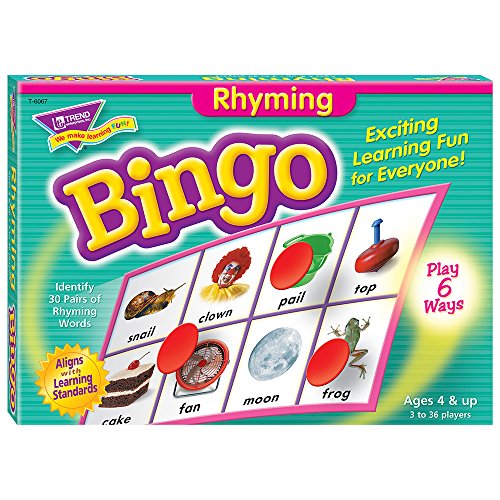
“This game has really helped my PreK kids learn rhyming words!"
Phonics bingo is all about spotting patterns, calling out when you can see a match, and keeping learning fun and interactive. Re-read those glowing words from a real parent above and you'll see just how engaging it is!
Age range: Ages 5 and up
Key features
- Comes with a set of colourful illustrations on each card
- Ideal for 2-4 players of all age ranges and abilities
- Calling mat helps make it more of an occasion
PROS
CONS
Editor's Review
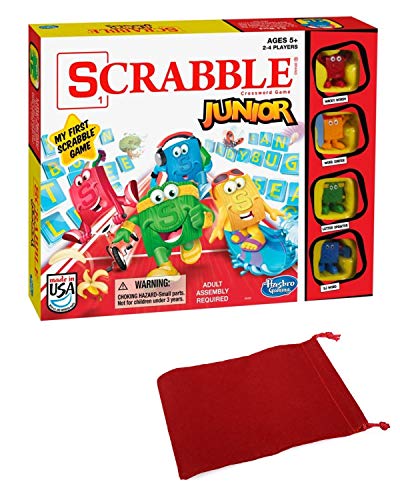
“This game really helped my daughter learn how to spell, I love that the board is double-sided for kids learning to spell and then a normal game board for when they do."
Scrabble Junior is just what you'd expect and a great way to get the little ones learning in a way that helps the teachers and parents guide them. The tiles, board, and points are all the same as the adult version, just with an age-appropriate twist that makes everything so much more fun!
Age range: Ages 6 and up
Key features
- Double-sided board (spelling and regular board)
- Cute characters are all about having fun with words
PROS
CONS


Editor's Review
“I bought these to encourage my three young grandchildren to recognise letters and begin to use them to make three-letter words. I was surprised they appealed to all three children in different ways. I'm sure they will continue to play with them as there are so many activities to do."
Pick a card, spin the letters, create the word, and say it out loud. It's a game that's so simple we can't believe it's not as big as the other two options on this list. When it's time to move away from the screens and enjoy the physical games, this is one of our favourites.
Age range: Ages 3/4 and up
Key features
- Solid hardwood blocks
- Travel bag included
- Bonus worksheets and sound guide
PROS
CONS
Editor's Review
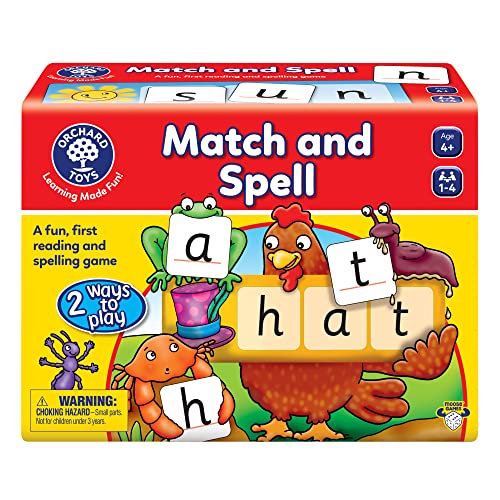
“My five-year old loves this game. She learned a lot without realising it. It has many ways to play and the pictures are bright and colourful. The quality of the cards is great, even using it a lot."
Build your skills but matching the letters to the words and then flip the board over to start spelling from scratch with nothing but the pictures to guide you. It's the way in which the difficulty quickly ramps up that makes the difference here.
Age range: Ages 4 and up
Key features
- 20 words to spell, with 68 letter cards
- Two ways to play (matching and spelling)
- Wipe clean boards
PROS
CONS
Editor's Review
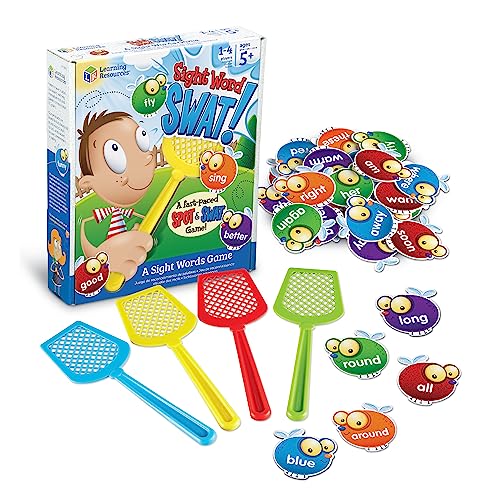
“This game is great for children who need something to keep their hands busy and learn at the same time."
Pick up your sheet of words, keep an eye out for the flies that match, and then swat them away the moment they buzz into view. It's the fun, energetic, and action-packed way to get into phonics.
Age range: Ages 4 and up
Key features
- 400 words and flies
- Builds reading, spelling and vocabulary
- Develops hand-eye coordination
PROS
CONS
The 5 best online games for phonics!
Although you might want to keep screen time to a minimum, there are some excellent games and resources online that will help your child's learning. Let's take a look at the best ones!

Editor's Review
“Time for Phonics is my go to for phonics activities... the resources are fantastic [and are] made by teachers."
Get access to a whole host of online phonics games for free and turn your tablet into the ultimate home learning resource. Time for Phonics has a four key games - Space Farm, Dino Dinner, Unicorn Magic, and Fire Rescue Dog - each of which are tailored to phases 2-5 of phonics learning.
Age range: Ages 4 and up
Key features
- Engaging characters and 'stories'
- A full library of games tailored to phonics phases
- Free to use
PROS
CONS

Editor's Review
“It fits perfectly with the National Curriculum and is a fun, easy-to-use app for children."
Phonics Play has a whole catalogue of phonics games across phases 1-5, but Buried Treasure is our top pick. Help the pirates locate their treasure and make a timely getaway, all while mastering a few new patterns and vowel sounds in the process.
Age range: Ages 4 and up
Key features
- Interactive game with a fun element to it
- Timeless theme is sure to hold attention
- Progressive difficulty
PROS
CONS
Editor's Review
“So engaging and helps learners of all levels learn their vowel sounds. Highly recommended!"
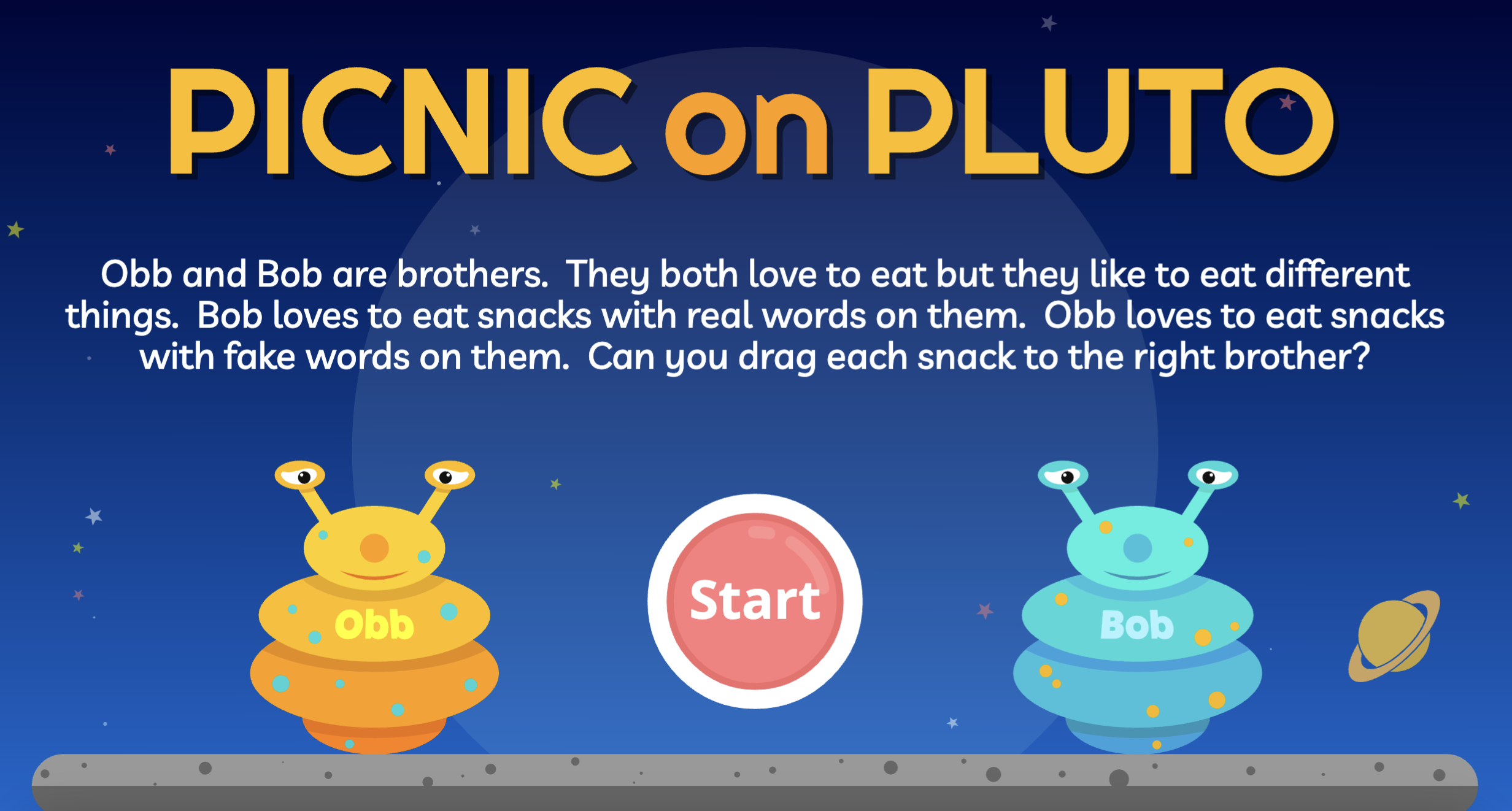
Another Phonics Play game, Picnic on Pluto see players focus on vowel sounds as they head off into outer space and help these weird and wonderful aliens decipher codes and figure out what they're going to have for their lunch.
Age range: Ages 4 and up
Key features
- Get progressively more difficult with new levels
- Different backgrounds and a wide array of words
- Designed for learners of all abilities
PROS
CONS
9. ABC Mouse

Editor's Review
“This is a really great tool for helping teach kids their ABCs and putting them on the path to reading."
ABC Mouse is a full-suite of games, activities, books, puzzles and lesson plans, but we've included it for it's incredible library of hundreds of phonics games.
Age range: 4-13
Key features
- 10,000+ activities
- Over 850 games and levels
- Covers up to age 13
PROS
CONS
10. Reading Eggs

Editor's Review
“Both my sons (5 and 6) have been using Reading Eggs for the past two years...they are now excellent readers and love nothing more than picking up a book."
Like ABC Mouse, Reading Eggs is a full-suite of phonics activities, games, books, puzzles and structured lessons covering phonics at all stages, right from the basics for young readers, all the way up to comprehension and vocabulary building at the age of 13.
Age range: 2-13
Key features
- Comes with dozens of interlocking mini games
- Wide array of themes and animation styles
- Designed for use by small hands on any tablet size
PROS
CONS
What makes fun phonics games?
Already tried to have a fun phonics approach only to see tricky concepts like vowel teams and cvc words fall flat? Don't worry, phonics will still work for you, it's just that we need to focus on the fun side of things that little bit more.
In our opinion, phonics activities designed to teach things like word families should always be...
Fun games to play so no one gets bored
Games need to be fun and games need to be able to produce improvement — these two things are not mutually exclusive. The more movement, speaking, noise, and colour you can add to the mix, the better. If in doubt, fall back on our list of suggestions above and you won't go wrong with your choice of game.
Age-appropriate so everyone can succeed
Start off with a complex set of consonant diagraphs instead of more casual word games and one thing will happen: everyone gets bored. Worse still, they might get frustrated and switch off all together. Help them by starting off with a simple word or set of letters and do it in a fun way. Build up from there and you'll be sure to keep it age appropriate.
Rewarding so everyone wants to play again
The best phonics activities are the ones that offer something at the end of it. Perhaps there's a prize when someone can build words that are longer than anyone else's? Maybe they get a little clap and a chance to dance when they use all the provided letters? Or maybe they get a gold sticker for being the best in first grade that day. As long as there's some form of reward, it will always keep them coming back for more.
Progressive so the difficulty naturally ramps up
Phonics activities are tricky at first, then they get mastered. What you need then is a game that will keep tricky concepts like cvc words and vowel teams coming so that your little one can build words that get increasingly more complex.
FAQs
What is the best phonics game for 5 year olds?
Right now, we're loving Flip the Pancake because you can make it yourself and turn it into a craft activity. If you want to buy a pre-made game, we also highly recommend Scrabble Junior because it has so much room for the future.
What's the best phonics game for small groups?
We're loving Little Buds Spin & Read. It's a great way to improve letter sounds, provide interactive phonics instruction, and is one of the most fun phonics activities on our list. It's also a welcome change to the standard board game approach when you want to boost phonemic awareness. Give it a go and see what you think!
Will phonics games help boost a struggling readers confidence?
Definitely! A fun game that teachers, parents, and a children can play is sure to boost confidence with everything from reading and writing to talking and pronunciation. These are the core skills that will allow any child's confidence so soar! Perfect when you want them to develop a real way with words.


